Inside the Fisker Ocean One: Where Henrik’s Sustainable Design Ethos Comes to Life – Recycle Today for a Better Tomorrow
The Fisker Ocean One isn’t just another electric SUV; it’s a meticulously crafted statement on wheels. This is particularly evident when you slide into its inviting cabin. Having just completed a long desert drive from Palm Springs to Las Vegas, the interior design, Henrik Fisker’s enduring ethos, and the thoughtful incorporation of sustainable materials truly shone, transforming a potentially arduous journey into an experience of serene, eco-conscious luxury.
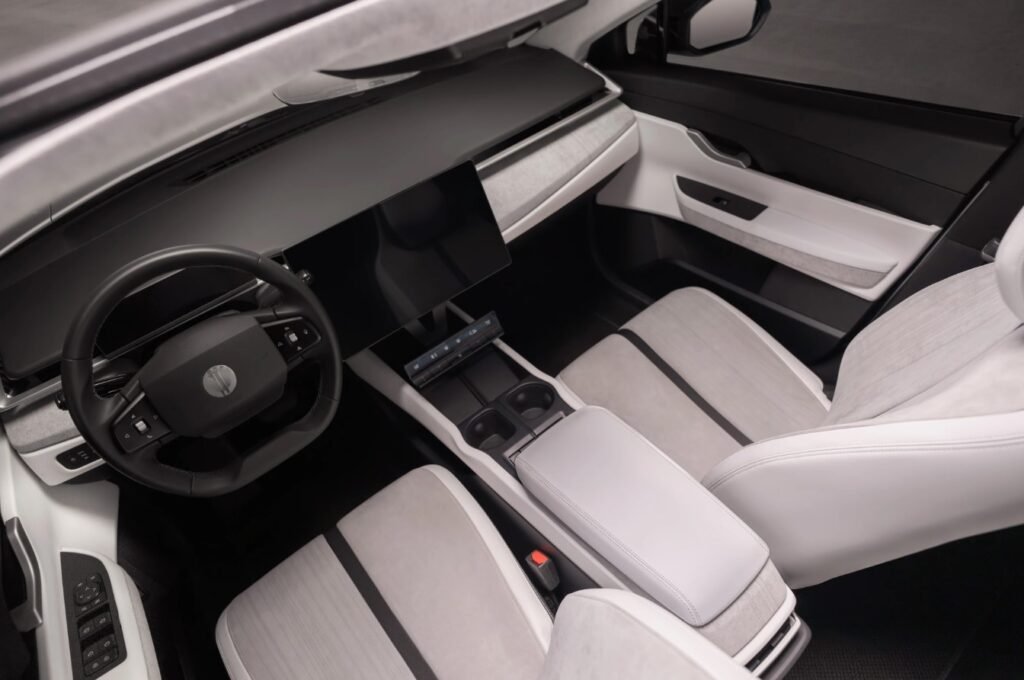
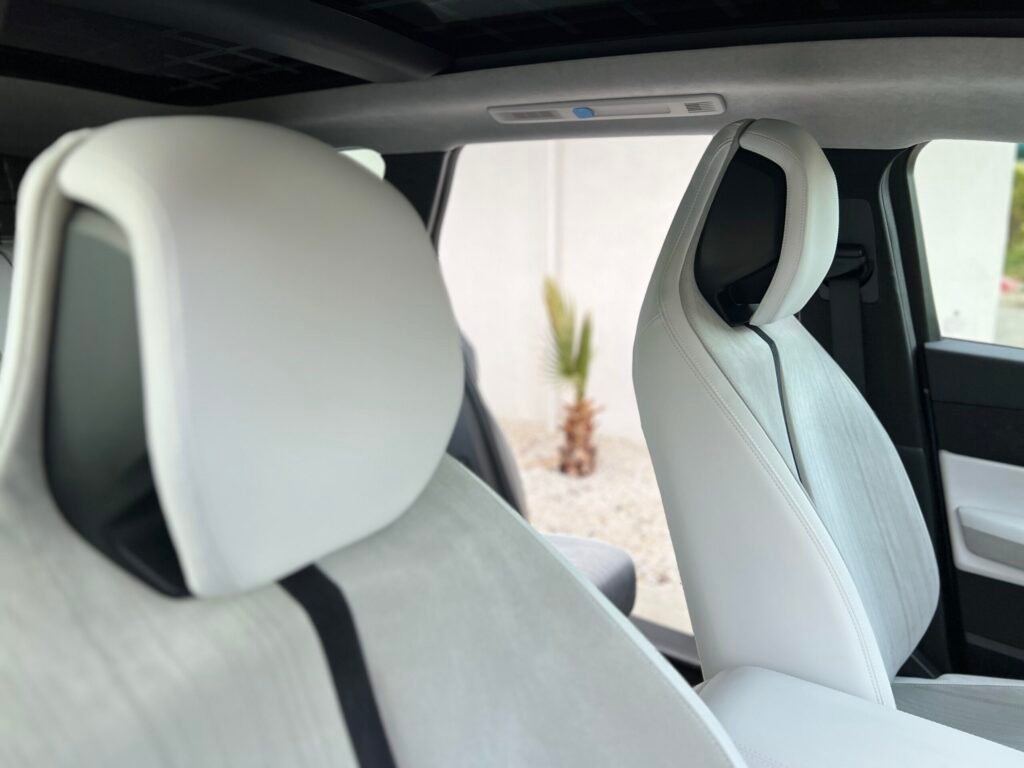
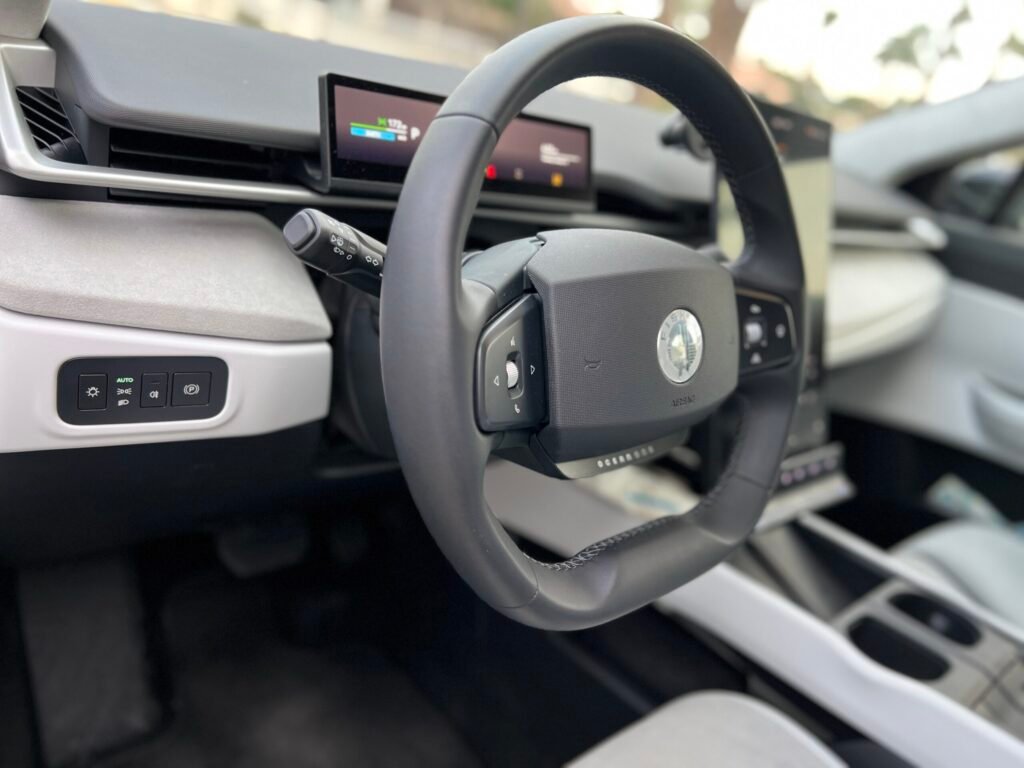
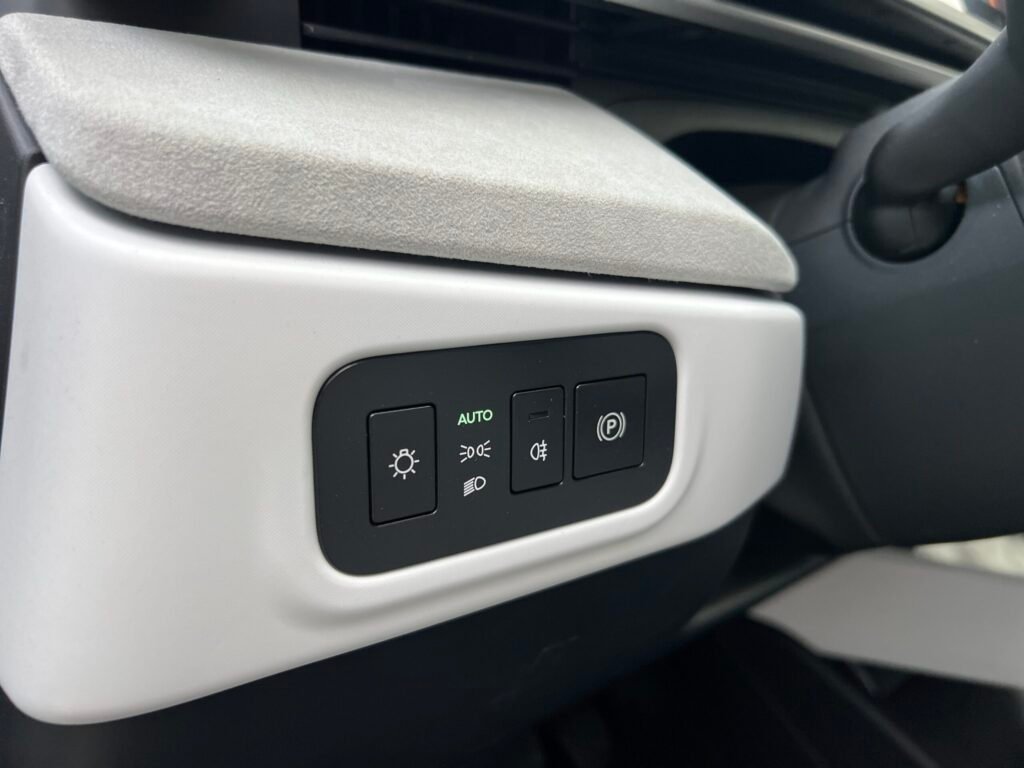
Henrik Fisker, the automotive design maestro, has always championed an “emotional design” philosophy. This isn’t merely about aesthetics; it’s about creating vehicles that evoke a feeling, that connect with their occupants on a deeper level. In the Ocean One, this translates into a cabin that feels both expansive and intimately personal. It’s a masterclass in Scandinavian minimalism married with Californian casual elegance. The dashboard is uncluttered, free from superfluous buttons, allowing the eye to sweep across clean lines and high-quality finishes. Every control feels purposeful, intuitive, and precisely where you’d expect it, a testament to thoughtful ergonomics.
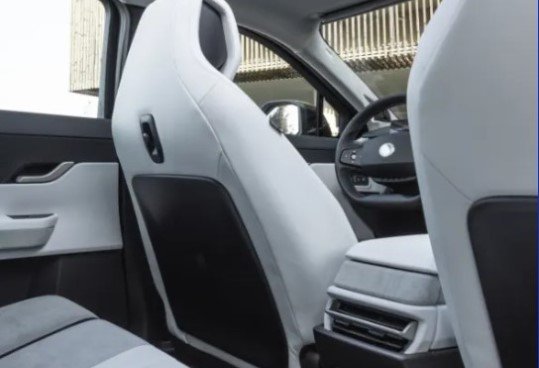
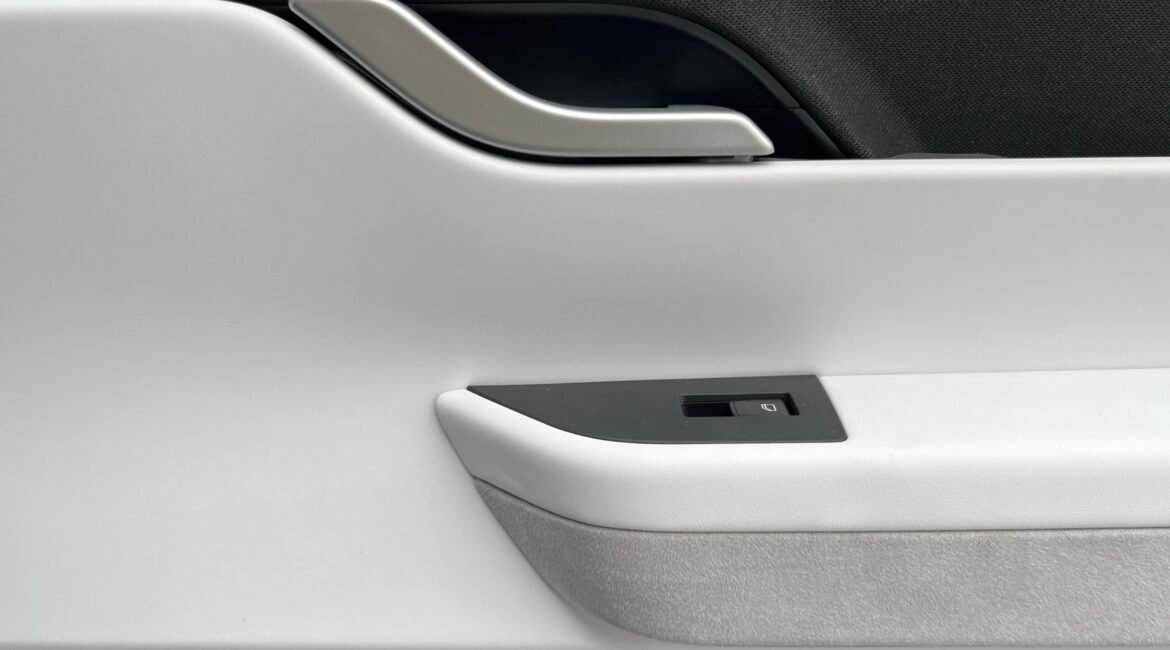
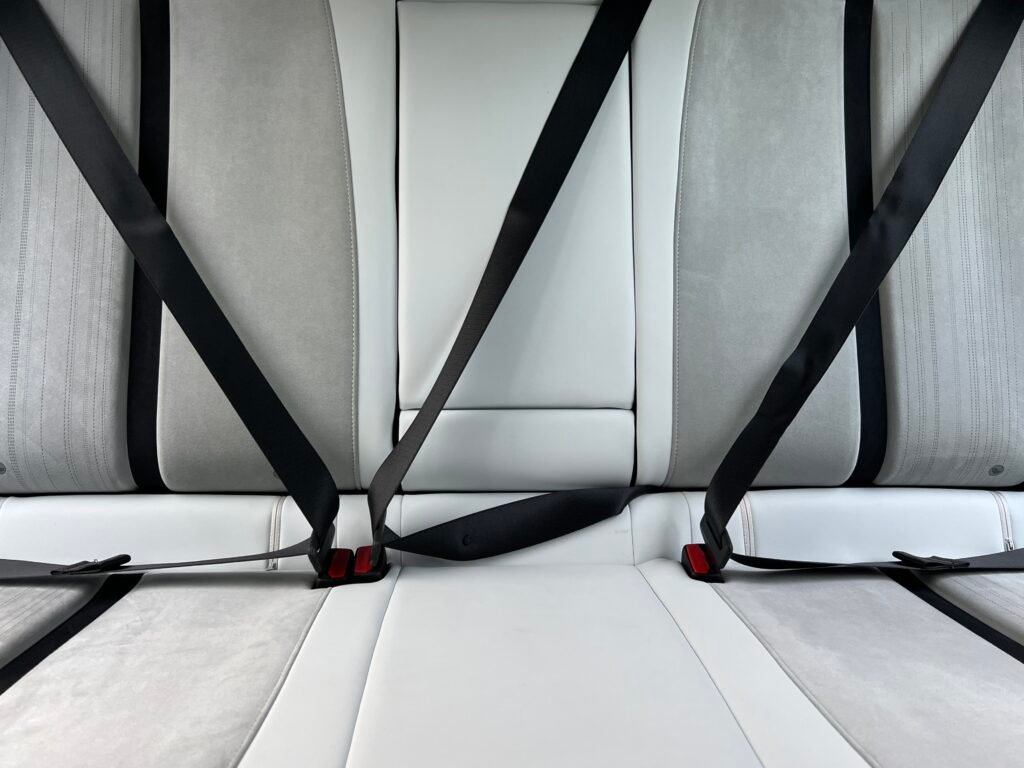
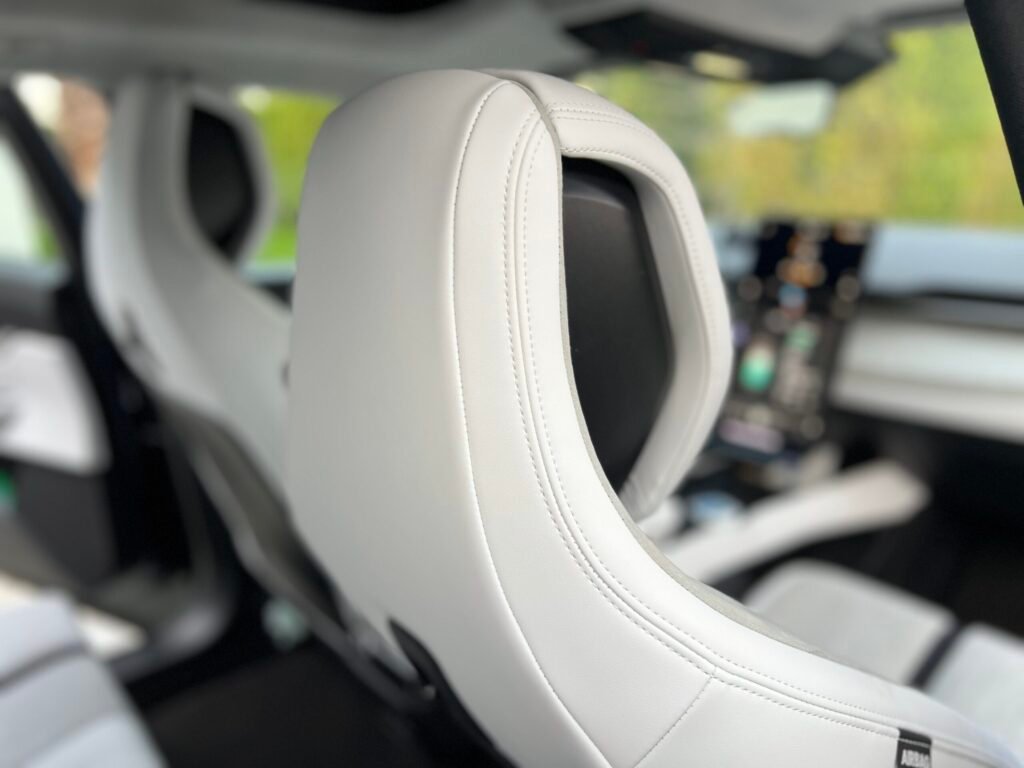
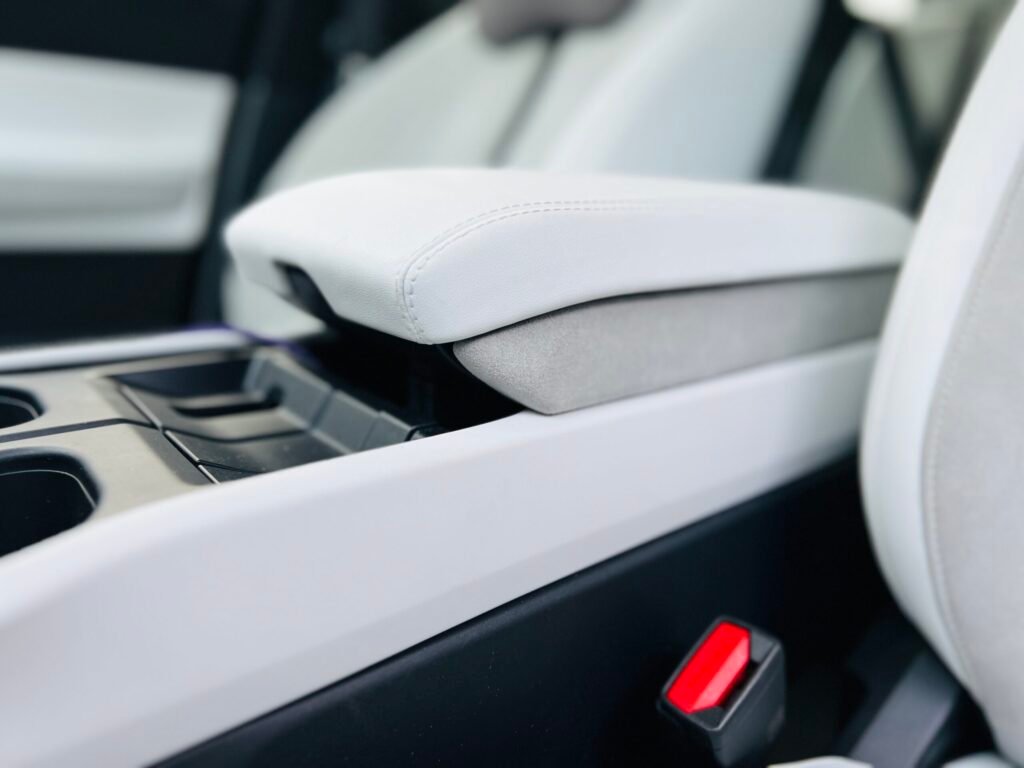
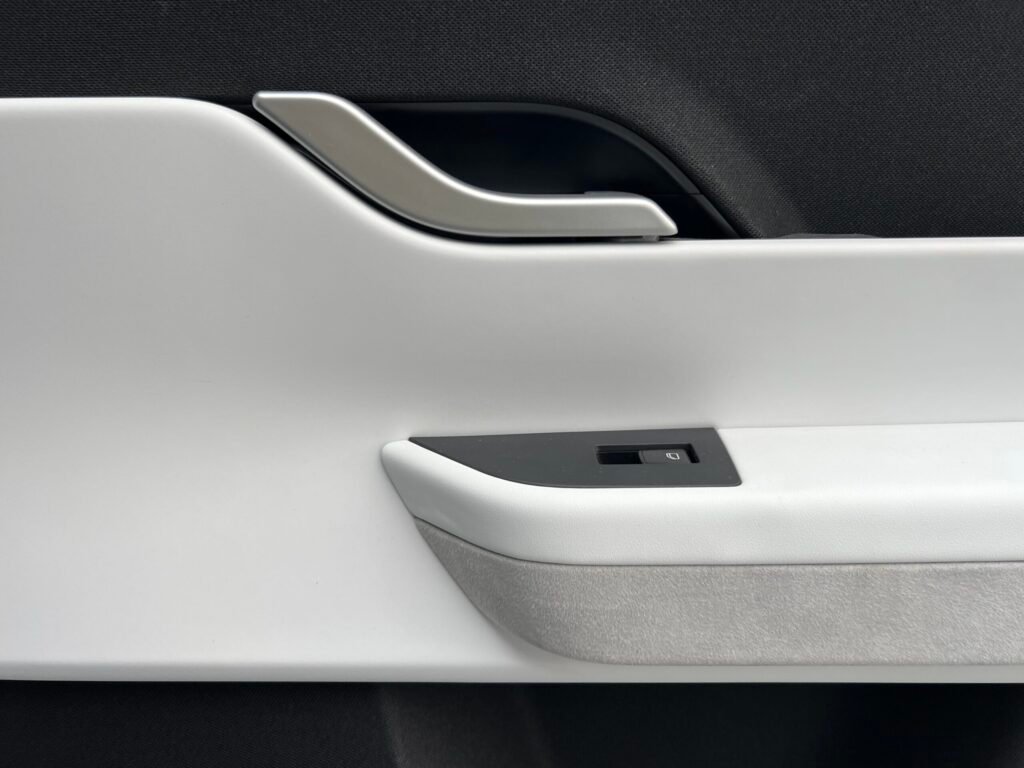
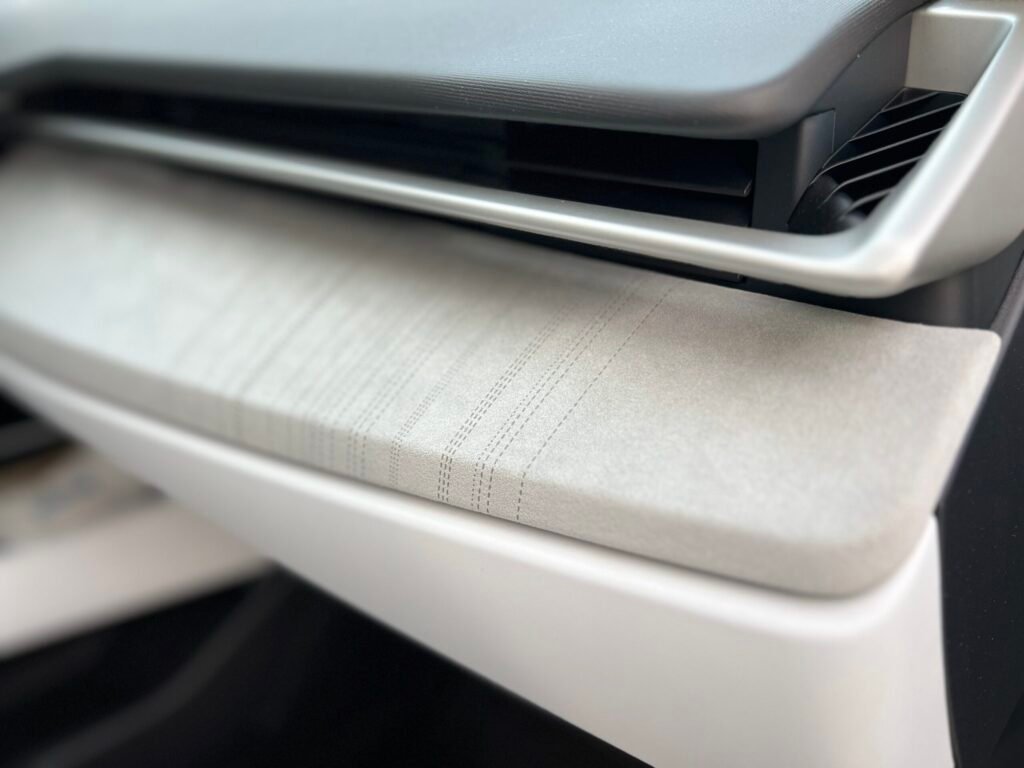
Sustainability isn’t an afterthought in the Ocean One; it’s woven into its very fabric. Fisker’s commitment to “circular economy” principles is evident in the materials that surround you. The seats, surprisingly comfortable and supportive for hours on end, are made from what Fisker proudly states are “recycled plastic bottles and repurposed rubber waste.” This isn’t just greenwashing; it’s a tangible effort to reduce environmental impact without sacrificing an ounce of luxury or durability. The tactile feel of these materials is premium, disproving any notion that sustainable equals compromise. The floor mats, carpets, and various trim elements continue this theme, utilizing regenerated nylon and other recycled polymers. It’s truly inspiring to be surrounded by materials that have been given a second life, transforming waste into beauty.
One of the standout features, especially under the relentless desert sun, is the SolarSky panel roof. While its primary function is to harvest solar energy to extend range (a clever trick that added a few miles to my journey), it also plays a crucial role in interior comfort. Unlike traditional glass roofs that can turn a cabin into a greenhouse, the SolarSky panel is engineered to significantly block solar heat. Even as the Mojave Desert’s sun beat down, the interior remained remarkably cool and comfortable, reducing the strain on the air conditioning system and further contributing to efficiency. It’s a brilliant example of multi-functional design, addressing both energy generation and occupant comfort simultaneously.
And then there’s the audio experience. My Ocean One came equipped with the ELS Studio 3D Premium Audio System, and it’s nothing short of phenomenal. Developed in collaboration with Grammy and Emmy-winning producer Elliot Scheiner, the system delivers an immersive soundstage that rivals high-end home audio setups. The crisp highs, rich mid-tones, and surprisingly deep bass enveloped me, turning my desert drive into a private concert hall. Whether it was the subtle nuances of an acoustic track or the powerful throb of an electronic beat, the clarity and spatial separation were exceptional. It transformed the solitude of the desert into a truly captivating sonic journey, making the miles melt away with pure auditory pleasure.
The Fisker Ocean One’s interior is more than just a place to sit; it’s an experience. It embodies Henrik Fisker’s vision of emotional design, seamlessly integrates pioneering sustainable materials, innovatively manages climate with its SolarSky roof, and delights with an exceptional sound system. It’s a testament to the idea that luxury, comfort, and environmental responsibility can not only coexist but thrive together.