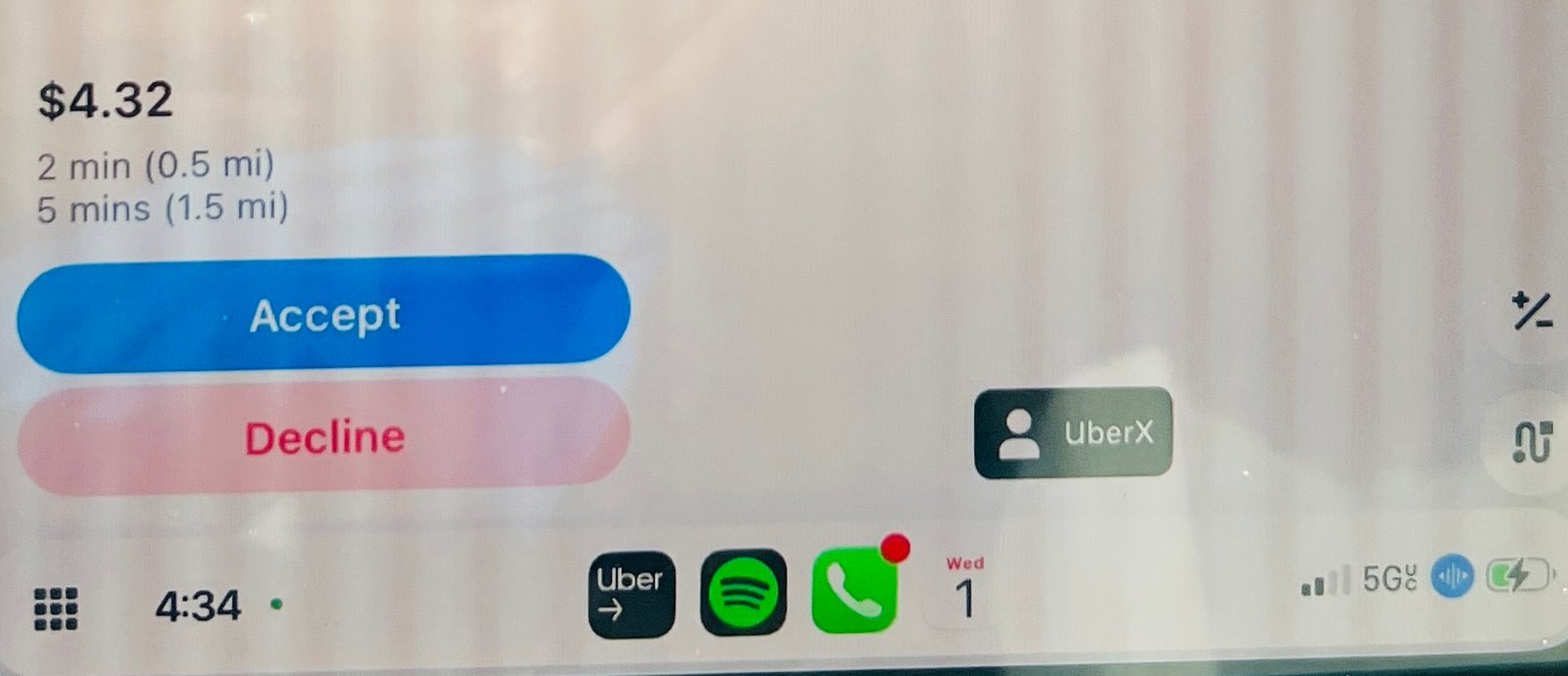

We’ve officially entered the era where the Uber Driver app isn’t just a phone notification—it’s a dashboard centerpiece. Seeing ride requests pop up on that mighty 17-inch Fisker Ocean screen is, quite frankly, a thrill. Gone are the days of squinting at a mounted phone or fumbling with a small touchscreen while navigating traffic. Accepting and rejecting rides with a single tap on that high-res real estate feels like the professional upgrade we’ve all been waiting for.
But as with any “Version 1.0” experience, the convenience comes with some baffling omissions. While the sheer size of the display makes the map look incredible, the CarPlay integration currently feels like a “lite” version of the tool we actually need.
What’s Missing in the Mirror?
The transition to the big screen highlights exactly what’s being left behind on the phone. If you’re a power user, you’ll notice the “Admin” side of the house is strangely absent.
- The Silent Treatment: You can’t toggle sound settings or manage volume alerts directly through the CarPlay interface.
- Navigational Handcuffs: Want to set a “Destination Filter” to head toward home? You’ll have to reach for your phone.
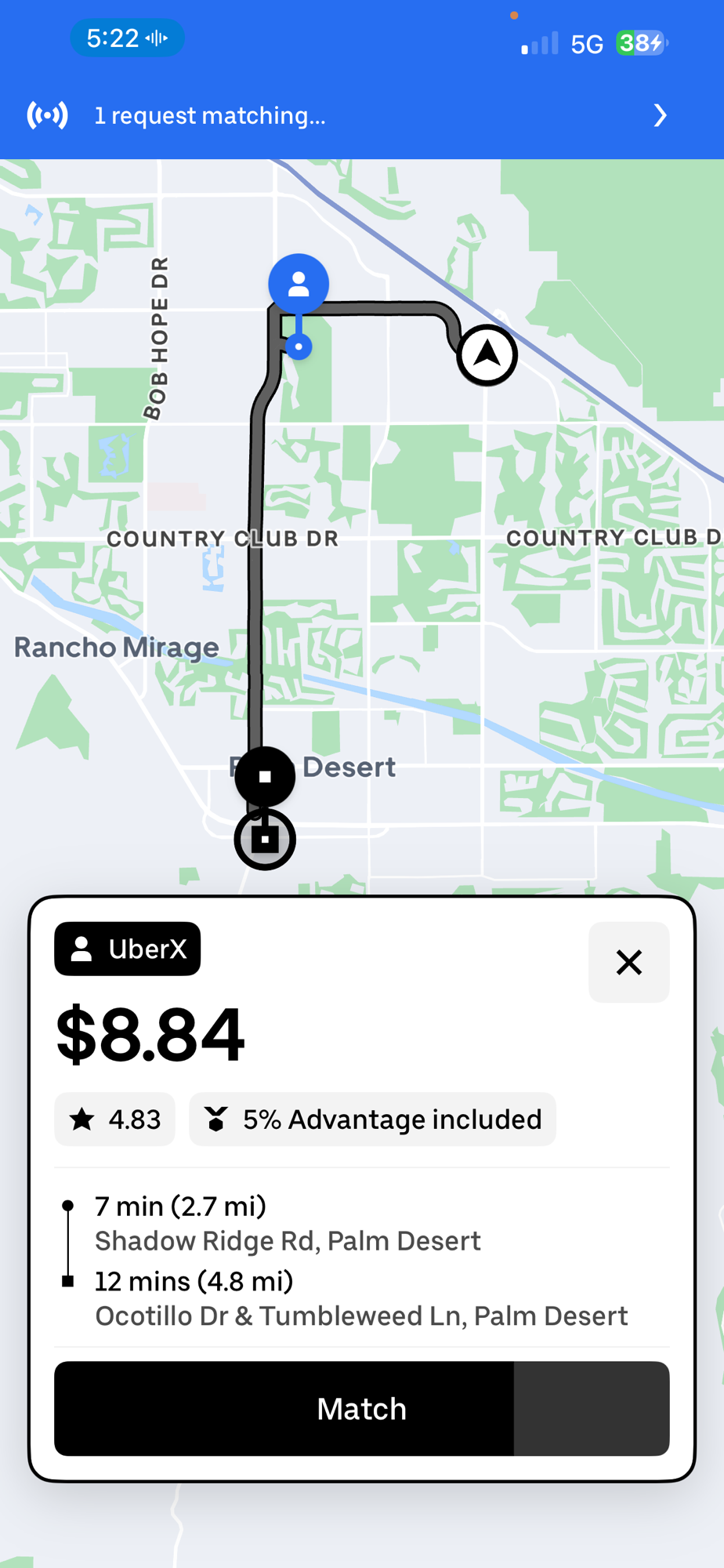
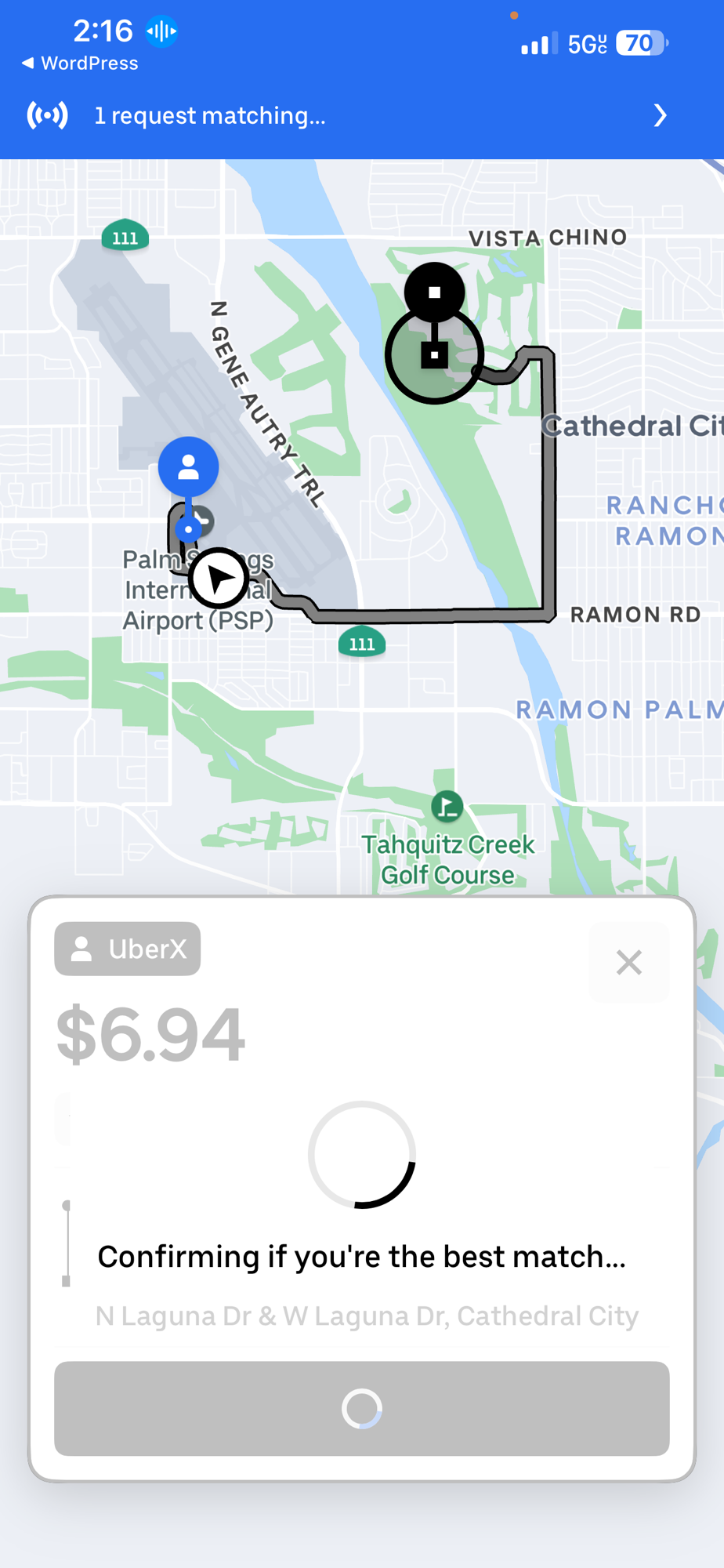
- The Invisible Rider: “Match” requests don’t show up on the car’s display. This is where Uber sends you a notice that they ‘may’ connect you with a ride. You click ‘Match’ and then it thinks about it, and 75% of the time, it goes away. But once in awhile, it will assign the ride to you. And once the trip is over, the “Rate Passenger” screen is nowhere to be found.
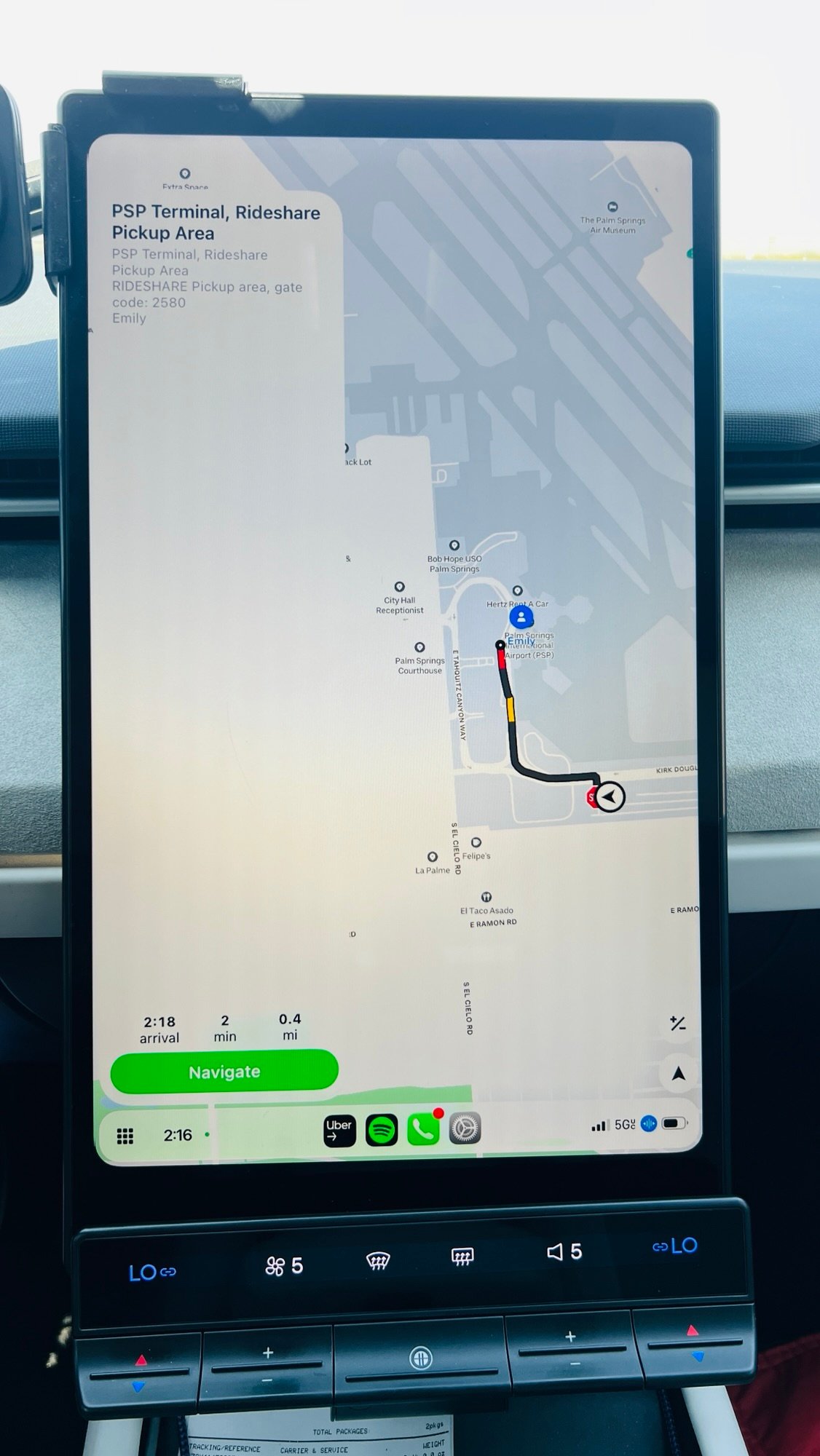
- Home Screen Integration: Even with the split-screen dashboard view, the Uber map won’t populate the main home window. So, if you tap the Home screen button, you get the Apple map.
The Perfect Layout?
Ideally, we’d see the Uber app taking up the primary block on the dashboard, with “Now Playing” (hello, Spotify!) and your last app info tucked into the lower half blocks. It would be the ultimate command center.
For now, it’s a brilliant start—but until we can rate riders and set destinations without touching our iPhones, we’re still living with one foot in the future and one foot on the mount.